
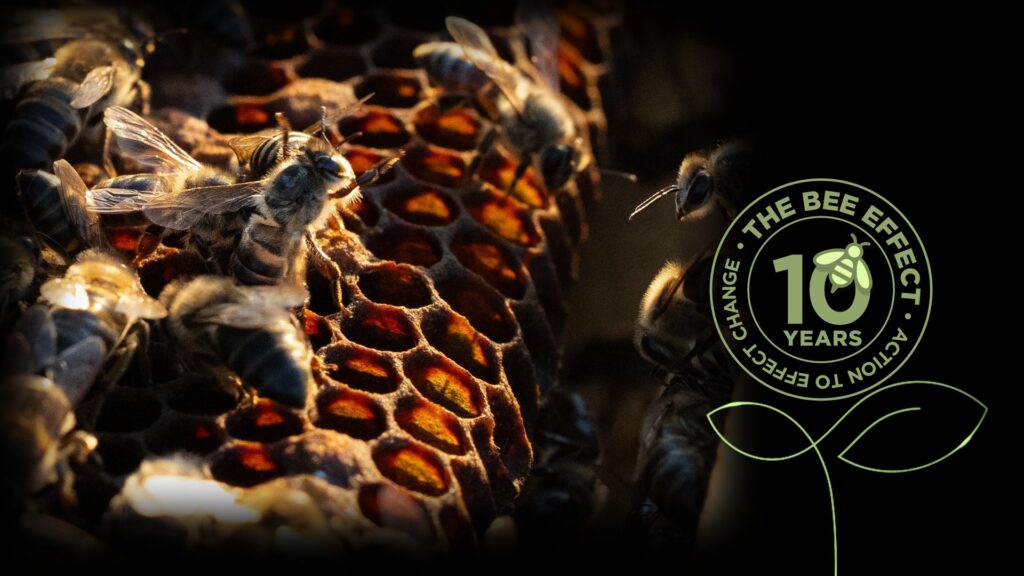
Ten years ago, The Bee Effect did not arrive with fanfare or a neatly packaged message. It emerged in response to something harder to ignore than to define. A growing unease about the state of pollinators. A sense that something foundational was slipping, largely unnoticed, beneath the surface of everyday life.
Ten years of quiet influence in a world that often overlooks the small things that hold it together
At the time, conversations around bees were limited. For many, they existed on the periphery, associated with honey on a shelf or the occasional sting in a garden. What was less understood was how deeply these insects are woven into food systems, biodiversity, and ultimately, human survival.
The Bee Effect stepped into that gap. Not as an activist voice shouting for attention, but as a steady, informed presence determined to shift awareness into understanding.
Over the past decade, that approach has proven effective.
What began as a focused effort to raise awareness has evolved into a recognised platform for education, advocacy, and practical change. The organisation has consistently drawn from scientific insight and on-the-ground experience, working alongside beekeepers, conservationists, and specialists to build a body of knowledge that is both credible and accessible.
Importantly, it has maintained its independence. In a landscape where environmental conversations are often shaped by competing commercial and political interests, that independence has allowed The Bee Effect to remain clear in its message, particularly when addressing uncomfortable truths around food integrity, land use, and sustainability.
But awareness alone was never the end goal.
Over time, The Bee Effect has translated knowledge into action through a series of initiatives designed to involve people directly.
Programmes such as Trees for Honey Bees have supported the planting of forage-rich environments, addressing one of the most immediate challenges facing bee populations, the loss of natural habitat.
Over R500 000 raised to plant trees for bees

Safe Havens have extended this work onto private land, creating pockets of protection that support both pollinators and the beekeeping community.
7620 HECTARES
Committed to date to our haven program.

These are not symbolic gestures. They are practical interventions, grounded in the understanding that ecological recovery depends on cumulative, localised effort.
Education has followed a similar path. Rather than positioning environmental responsibility as an abstract concept, The Bee Effect has brought it into schools and communities in tangible ways. Planting, observing, participating. Learning not just what is at stake, but how individual actions contribute to broader ecological outcomes.
Recognition has come along the way with acknowledgement of the organisation’s grassroots impact. Yet these markers sit quietly alongside the work itself. They are acknowledgements, not drivers.
The more telling shift lies elsewhere.
In recent years, there has been a noticeable change in how people engage with the subject of bees. Questions around the origin and authenticity of honey are becoming more common. The idea of planting for pollinators is gaining traction beyond niche circles. There is a growing awareness that the health of bee populations is directly tied to the resilience of food systems.
The Bee Effect has played a role in that shift, not by dominating the conversation, but by consistently contributing to it with clarity and credibility.
aBOUT STANDARDS FOR BEES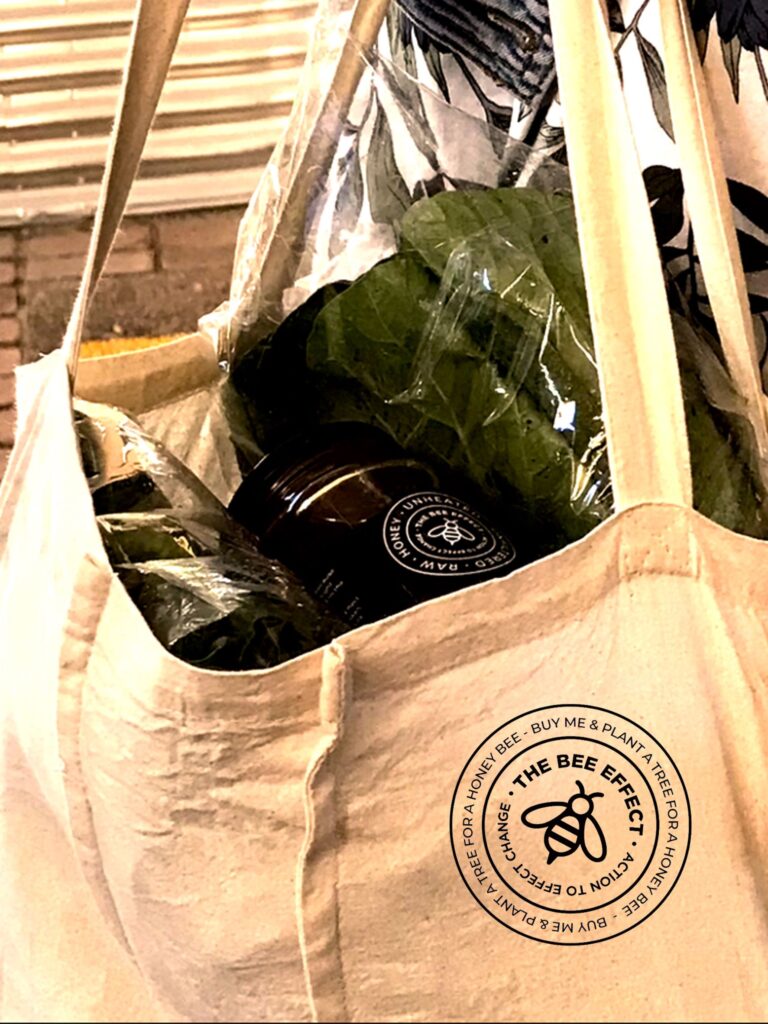
More recently, its work has expanded into the field of apitherapy, opening up conversations about the therapeutic potential of bee products within a modern health context. This move reflects a broader philosophy that has always underpinned the organisation’s work – that environmental health and human health are not separate conversations, but deeply interconnected ones.
After ten years what The Bee Effect stands for is both straightforward and far-reaching.
It stands for transparency in food systems and integrity in what we consume. It advocates for agricultural and land-use practices that work with natural systems rather than against them. It reinforces the idea that bees are not a peripheral concern, but central to biodiversity, food security, and ecological balance.
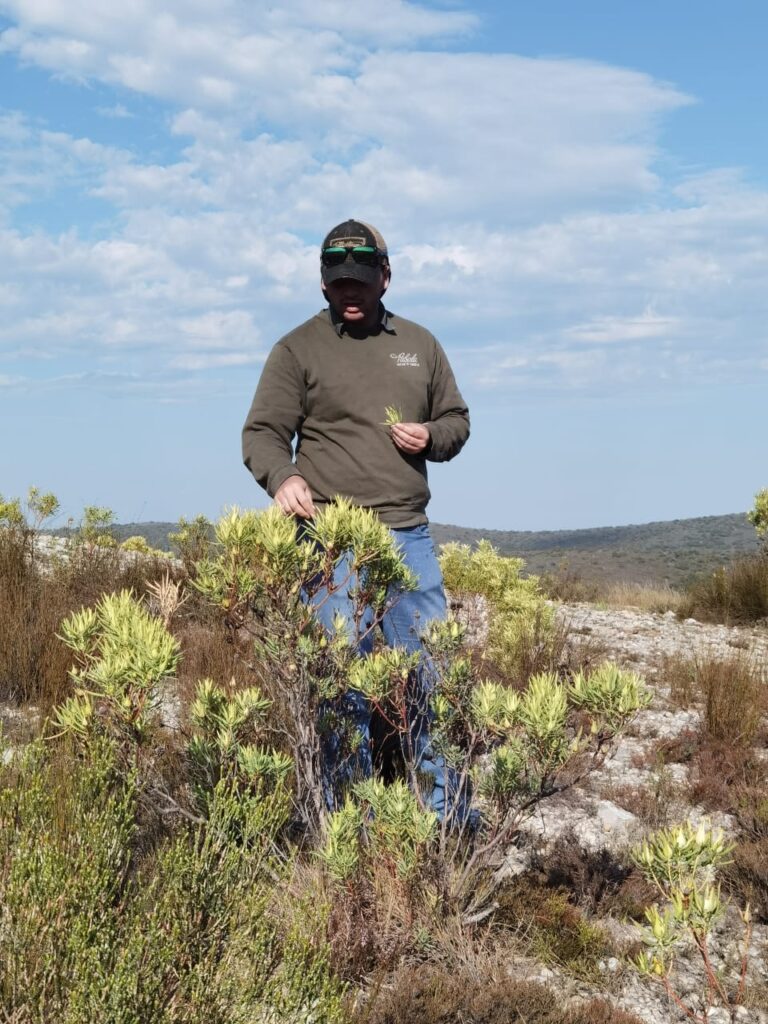
Perhaps most significantly, it challenges the way people relate to the natural world. It asks for a shift away from seeing nature as something external, towards recognising it as something we are continuously part of and responsible for.
There is no sense of completion at the ten-year mark. If anything, the work ahead appears more urgent. Environmental pressures are intensifying, and the systems that support both pollinators and people are under increasing strain.
What has changed is the position from which The Bee Effect moves forward.
It is no longer finding its footing. It is established, informed, and steady in its voice. Willing to engage where it matters, and unwilling to dilute its message for convenience.
A decade in, its impact can be measured not only in programmes or partnerships, but in perception. In the growing understanding that small, often overlooked elements of the natural world carry disproportionate weight.